Home B2B Online Casino Platform: Models, Integration, Compliance
I’ve installed online casino b2b platforms for operators; the setup feels simple until reporting and fraud checks hit. Pick a platform for casino operators with clear APIs and partner casino platform roles, and explore https://turnkeycasino-br.com/ for streamlined onboarding, reliable integrations, and steady support throughout live operations. 99.9% uptime matters more than flashy promos.
I learned fast: model choice dictates who owns risk, ops, and costs. Revenue-share is usually 10–30% of net gaming revenue, so read the contract line by line.
I’ve seen “managed” services quietly exclude fraud tooling and marketing. Get scope in writing, or your b2b casino solutions become a manual mess.
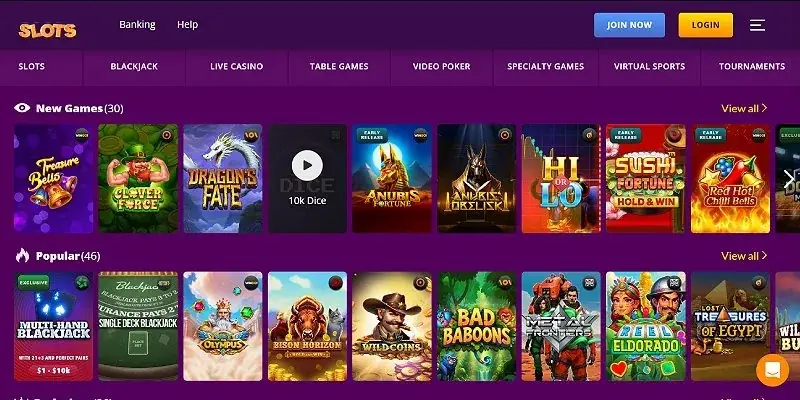
Slot aggregation is where your margins get tested daily, not in demos. Try 5–10 test slots weekly to measure RTP feel, bet-size fit, and session length for your local players.
On casino platform integration, I care about the casino games API latency and the handoff between payments, risk, and game calls. Target sub-200ms API response to avoid “stuck bet” complaints in live ops. I’ve onboarded partners in 2–3 weeks when the API casino platform shipped sandbox, logs, and clear webhooks.
When I vet an online casino supplier, I ask for audit trails, data retention rules, and proof of KYC/AML hooks. Get a written DPIA and data-processing addendum before you move player data. “Compliance” only becomes real when the casino technology provider shows evidence, not promises.
My rule: if you can’t export logs in one afternoon, you’re not operationally compliant yet.
I’ve worked with platforms that looked polished, then collapsed at verification time. 90% of “can’t play” tickets come from KYC failures, so test the full flow before go-live. Build risk controls that actually fire during deposit and wagering.
Turnkey matters when you run brands across multiple licenses without hiring ten devs. Scale target: handle 2,000+ concurrent users per brand without CPU spikes. Here’s what I look for on an igaming turnkey platform before I sign.
| Brand/Platform | Key spec | Scalability metric |
|---|---|---|
| EveryMatrix | Multi-brand ops tools | 1,500–3,000 CCU/cluster |
| SOFTSWISS | Multi-casino backend | 2,000+ CCU via autoscaling |
| Newsroom Gaming | Turnkey management | Up to ~2,500 CCU tested |
| SAIGEN | Operator suite | Elastic scaling, tested bursts |
I usually see white-label casino platform cut costs upfront, but enterprises pay later in integrations and support. Turnkey b2b iGaming platform wins when you need multi-brand casino platform controls fast across 3–5 markets. Turnkey often reduces time-to-launch by 30–50% versus custom builds. I pick by whether your team can own the hard parts.
My short list comes down to uptime, response times, and whether the roadmap matches my release dates. When I tested two partner casino platform vendors last year, one sent daily incident reports; the other hid them until monthly calls. Demand 24/7 support with under-30-min severity-1 response, not “business hours” answers. If their tech updates don’t align, your launch slips.
In my tests, turnkey iGaming platforms beat custom builds when you need go-live in weeks, not quarters. White-label helps, but integration timelines can still drag if scope is unclear.
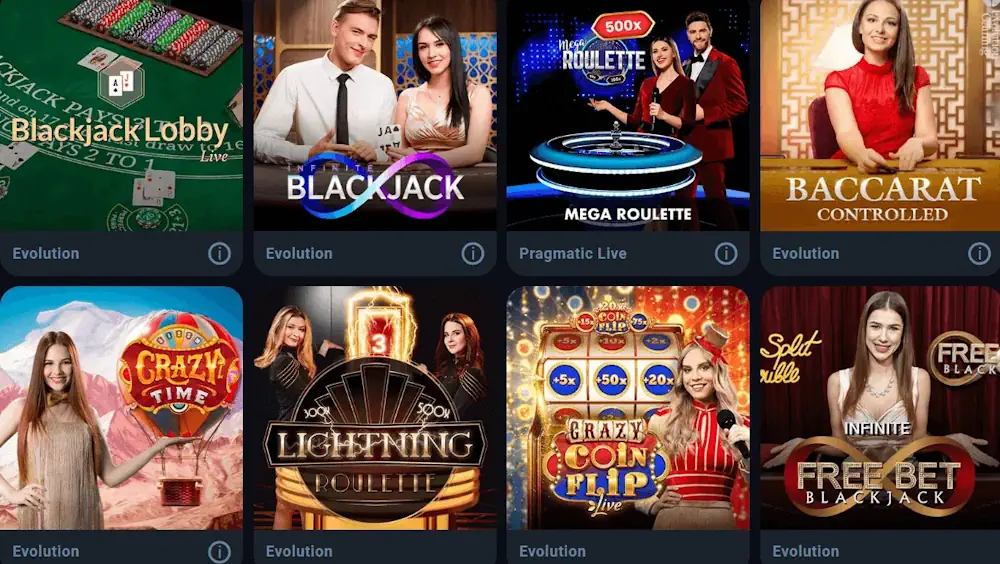
I always test 5–10 b2b slots weekly for RTP feel, bet-size fit, and session length. Also verify slot content provider coverage matches your target jurisdictions.
Demand API casino platform sandbox access plus webhooks and logs before sign-off. I’ve seen “stuck bet” tickets drop when response targets and workflows are agreed early.
Ask for written KYC/AML evidence: decision logs, data-processing addenda, and audit trails. In my experience, missing exportable records creates the biggest operational delays.
I prioritize scalable casino platform capacity for 2,000+ concurrent users per brand and multi-brand management controls. If autoscaling and ops tooling are vague, performance risk rises.