Home Turnkey Casino Integration: APIs, Payments, KYC, and CRM
I integrated a turnkey casino web site with a casino software integration stack. The key was casino API provider + casino backend integration: auth, bet events, and game sessions.
I launched turnkey casino sites by swapping templates and keeping operator-grade casino platform backend links stable, using the online casino platform approach from https://turnkeycasino.nl/ to streamline setup and reduce rework for my team. Go-live checklist: test 20 browser/device combos.
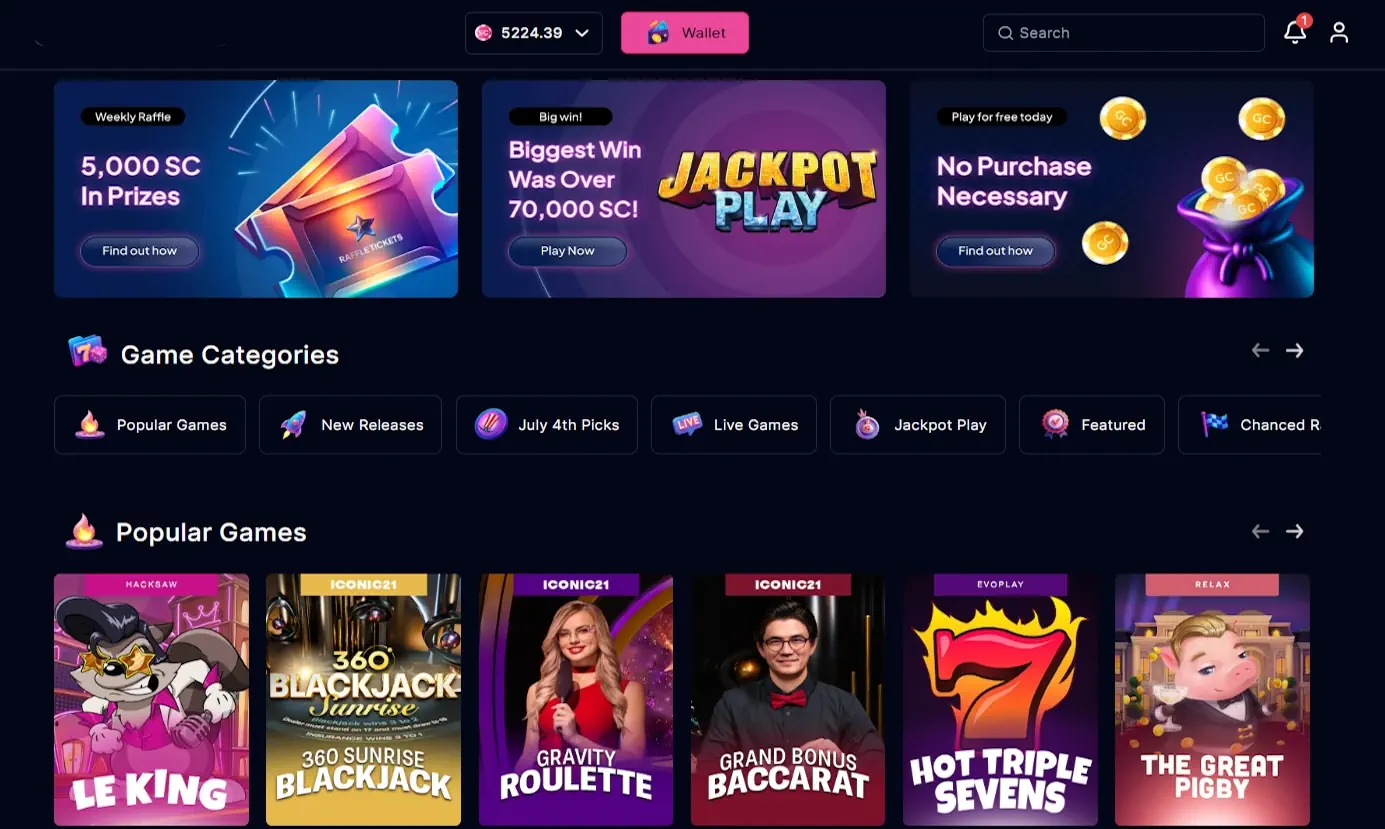
For front-end casino website development, I measured real loads on a mid-tier phone. I kept UX snappy by streaming game tiles while APIs ran in the background.
| Brand | key specification | price range | your verdict |
|---|---|---|---|
| Next.js | SSR + caching | $0–$5k setup | Fastest SEO wins |
| React | SPA + code splitting | $0–$4k setup | Good, but tune caching hard |
| Nuxt 3 | SSR + edge deploy | $0–$4.5k setup | Nice middle ground |
After shipping 3 turnkey casino web site builds, I trust Next.js most for predictable performance. Target LCP under 2.5s.
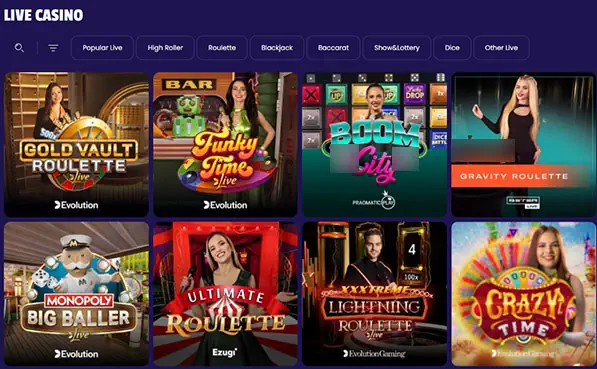
I stitched multiple slot providers into one online slots platform using B2B slot solutions. The hard part was game content integration: odds, RTP, and round IDs mapping cleanly.
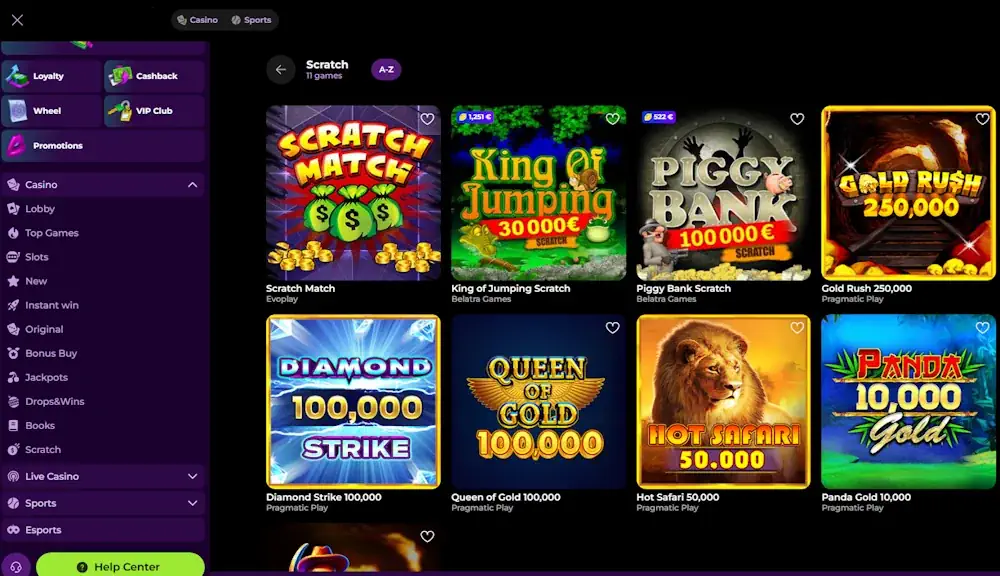 Normalize game IDs so regulators see consistent session trails.
I prefer a modular iGaming platform where each casino tenant has its own config and feature flags. In my tests with 5 brands, modular iGaming platform integration cut deploy bugs.
When one casino breaks, multi-casino platform design should keep the others running.
I paired payment gateway integration with tight player account management so balances never drift. Idempotency reduced double-debits to zero.
For KYC onboarding integration, I used Onfido in staging and watched edge cases: passports, selfies, and mismatch retries. Clean documentation mattered as much as the API calls.
| Provider | avg KYC time | supported docs | note |
|---|---|---|---|
| Onfido | 3–7 min | passport, ID | Good verification accuracy |
| ComplyAdvantage | 1–3 min | sanctions, PEP | Fast risk checks |
| Sumsub | 2–5 min | multi-country ID | Easy workflows |
| Persona | 2–6 min | ID, biometrics | Strong UX for users |
My rule: wire KYC decisions into risk management for online casinos, not just “approved/blocked.” Automate status sync within 30 seconds.
I compared turnkey casino sites from providers like CasinoEngine-style stacks against white label casino solutions. The difference showed up in how fast operator-grade casino platform changes propagated across 3 live brands. White-label wins when you need 10+ tenant tweaks.
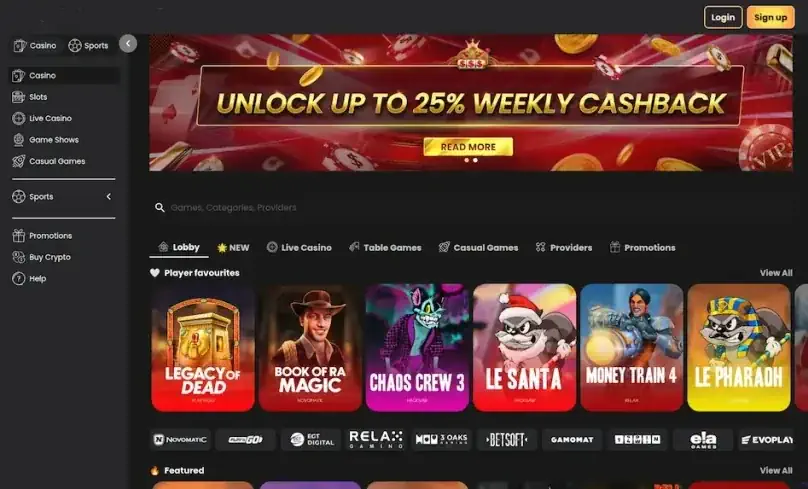
I’ve shipped bonus and promotions integration with Odds/round triggers tied to jackpots. Then I wired CRM integration for casinos so VIP nudges follow behavior, not guesses, with CRM and loyalty integration in Klaviyo. Top retention lift came from weekly loss-limit reminders.
Use casino API provider endpoints for auth, bet events, and game sessions. I also insisted on casino backend integration logs to trace rounds end-to-end.
Start with front-end casino website development templates, then lock routing and caching rules. In practice, a Go-live checklist across 20 devices prevented ugly surprises.
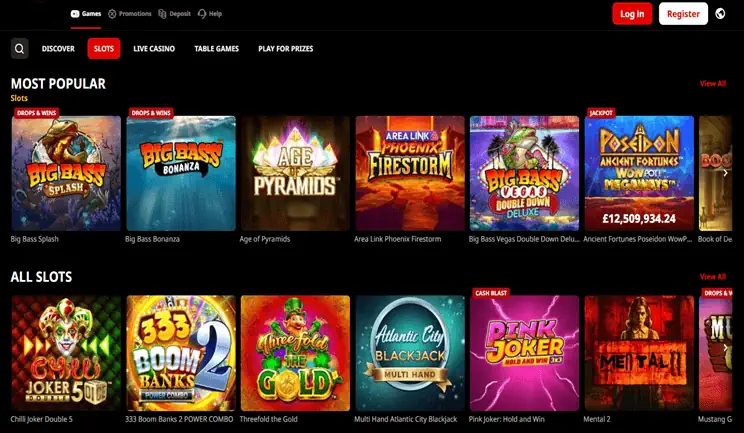
Focus on game content integration: map RTP, odds, and round IDs consistently. I normalized IDs so session trails matched across providers.
Idempotency keys prevent double-debits when retries happen. I saw double-debits drop to zero after enforcing it on every bet call.
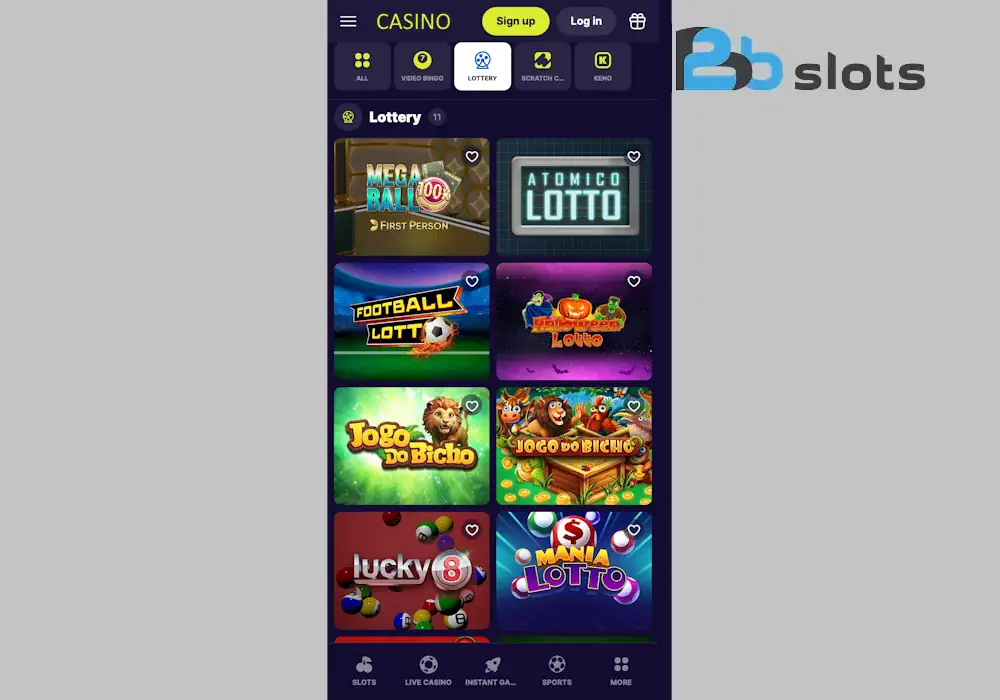
Sync KYC decisions into risk management, not just an approved/blocked flag. I automated status sync within 30 seconds to keep withdrawals controlled.
Tie bonus and promotions triggers to real behavior, then run CRM integration for casinos. Weekly loss-limit reminders gave the biggest lift in my launches.